Analytix Camp

Excel · Financial Analysis · Business Valuation

Financial Modeling& Valuation

Understand The Business Behind The Numbers.

Build financial models that connect statements, assumptions and business decisions. Progress from Excel foundations and financial analysis to forecasting, valuation and applied modeling through practical business scenarios.

Work through three-statement models, cash flow forecasts, startup and real estate models, M&A and leveraged buyouts. Learn to present your assumptions and findings through clear reports and pitch books.

Complete Curriculum13 ModulesFrom Excel To Advanced Finance
Practical Application10+ Business CasesLearn Through Business Scenarios
Hands-On LearningFinancial ModelsBuild, Forecast & Analyze
Valuation SkillsEquity ValuationAssess Companies & Investment Value

Build Practical Expertise

Learn With Purpose.
Apply With Confidence.

Build financial models that connect statements, assumptions and business decisions. Progress from Excel foundations and financial analysis to forecasting, valuation and applied modeling through practical business scenarios.

Work through three-statement models, cash flow forecasts, startup and real estate models, M&A and leveraged buyouts. Learn to present your assumptions and findings through clear reports and pitch books.

Skills You’ll Put To Work

Your Everyday
Toolkit.

Connect each tool to a practical part of the learning journey.

Microsoft Excel

Spreadsheets & financial models

Microsoft PowerPoint

Reports & pitch books

Power Query In Excel

Connect, clean & transform data

Excel VBA & Solver

Practical tools for your coursework

The Complete Learning Path

From Your First Formula
To Your First Valuation.

Explore each module, then open a topic to see the lessons it covers.

13 Modules · 318 Detailed Lessons
Microsoft Excel01. Microsoft Excel (Beginner to Advanced)10 Topics
  1. 1.1 Excel Foundations & Shortcuts (Pre-Requisites)
    • Getting Comfortable in Excel - Interface, Navigation & Essential Keyboard Shortcuts
    • Working Faster with Fill Handle & Flash Fill
    • Organizing Data: Sorting, Filtering & Grouping
    • Mastering Referencing: Relative, Absolute & Mixed ($ Signs Demystified)
    • Basic Functions & 3D Referencing Across Multiple Sheets
  2. 1.2 Text Functions
    • Fixing Text Case with UPPER, LOWER & PROPER
    • Extracting & Searching Text: LEFT, RIGHT, MID, LEN & FIND
    • Combining Text from Multiple Cells: CONCAT, TEXTJOIN & Ampersand Joins
    • Cleaning Messy Data: TRIM, CLEAN & SUBSTITUTE
    • Advanced Text Manipulation with REGEX (EXTRACT, REPLACE)
  3. 1.3 Logical Functions
    • Making Decisions in Formulas: IF, Nested IF & IFS
    • Combining Conditions with AND, OR & NOT
    • Trapping Errors Gracefully with IFERROR
    • Simplifying Complex Logic with SWITCH & Logical Flags in Models
  4. 1.4 Conditional Functions
    • Summing & Counting on Conditions: SUMIF/SUMIFS & COUNTIF/COUNTIFS
    • Conditional Averages & Extremes: AVERAGEIFS, MAXIFS & MINIFS
    • Handling Same-Column Criteria in SUMIFS (OR Logic)
    • Power Aggregation with SUMPRODUCT for Multi-Condition Analysis
    • Formal Cell Formatting Conventions Used by Analysts
  5. 1.5 Date and Time Functions
    • Working with Dates: TODAY, NOW, DATE & EOMONTH
    • Calculating Periods & Tenors: DATEDIF, YEARFRAC & Day-Count Basics
    • Building Dynamic Model Timelines & Fiscal Year Calendars
  6. 1.6 Lookup Functions
    • Structuring Data with Named Ranges & Excel Tables
    • Pulling Data Across Sheets: LOOKUP, VLOOKUP & HLOOKUP (with IFERROR)
    • The Analyst's Favorite: INDEX & MATCH for Complex Two-Way Lookups
    • Modern Lookups with XLOOKUP & Dynamic Tables
    • Building Flexible Models with OFFSET, INDIRECT & CHOOSE
  7. 1.7 Data Validation and Conditional Formatting
    • Controlling Inputs with Dropdown Lists & Dependent Dropdowns
    • Restricting Data Entry with Input Rules & Error Alerts
    • Highlighting Insights Automatically - Rule-Based & Formula-Based Formatting
    • Visualizing Data In-Cell with Heatmaps, Data Bars & Icon Sets
  8. 1.8 Power Query for Financial Data
    • Importing Data from Anywhere - PDFs, CSVs, Web Pages & Folders
    • Cleaning & Reshaping Financial Statements Without Formulas
    • Combining Multi-Year Data with Append & Merge Queries
    • Building Refreshable Data Pipelines That Update with One Click
  9. 1.9 Data Visualization
    • Choosing the Right Chart for the Right Financial Story
    • Building Combo Charts, Waterfall & Bridge Charts for P&L Analysis
    • Adding Sparklines & In-Cell Visuals to Financial Summaries
    • Formatting Charts to Investment-Banking Presentation Standards
  10. 1.10 Dynamic Charts and Interactive Dashboard
    • Making Charts Update Automatically with Named Ranges & Dynamic Sources
    • Adding Interactivity with Form Controls - Dropdowns, Scrollbars & Option Buttons
    • Summarizing Data Fast with PivotTables, Slicers & Timelines
    • Bringing It Together - A One-Page Interactive Finance Dashboard
Microsoft Excel02. Excel for Finance Professionals5 Topics
  1. 2.1 Finance Functions
    • Valuing Cash Flows with NPV, XNPV, IRR & XIRR (and When Each Applies)
    • Loan Mathematics with PMT, IPMT & PPMT - Splitting Principal from Interest
    • Solving for the Unknown: RATE, NPER, PV & FV in Practice
    • Handling Compounding Conventions with EFFECT & NOMINAL
  2. 2.2 Scenario Manager
    • Setting Up Base, Best & Worst Case Scenarios in One Model
    • Generating Scenario Summaries for Management Reporting
    • Building Scenario Switches with CHOOSE & INDEX (The Professional Way)
  3. 2.3 Goal Seek & Solver
    • Working Backwards with Goal Seek - Break-Even & Target Metric Analysis
    • Optimizing Decisions with Solver (Constraints, Objectives & Variables)
    • Practical Finance Use-Cases: Pricing, Budget Allocation & Forecast Fitting
  4. 2.4 Sensitivity Analysis
    • Testing One & Two Variables at Once with Data Tables
    • Identifying What Really Drives Value - Tornado Charts & Key Driver Analysis
    • Presenting Sensitivities So Stakeholders Instantly Get the Risk
  5. 2.5 Dynamic Loan Repayment Schedule
    • Building a Full Amortization Schedule from Scratch
    • Handling Variable Rates, Prepayments & Balloon Payments
    • Making the Schedule Dynamic with Flags, Timelines & Adjustable Tenor
Microsoft Excel03. VBA for Excel Automation5 Topics
  1. 3.1 Introduction of VBA
    • What a Macro Really Is & Where VBA Fits in an Analyst's Toolkit
    • Knowing VBA's Limits & Setting Up Your Workbook for Macros
    • Touring the Developer Tab & Visual Basic Editor
    • Writing, Running & Keeping Your First Code Clean
  2. 3.2 Working with Sheets and Ranges
    • Referencing Ranges, Named Ranges & Worksheets in Code
    • Storing Values with Variables, Constants & Passing Data Between Them
    • Debugging Your Code & Communicating with Message Boxes
    • Case Study: Automating a Multi-Sheet Workbook
  3. 3.3 Common VBA Functions
    • Finding Your Place in Data - Row Numbers, Last Row & OFFSET
    • Adding Logic & Repetition: If-Then Statements & For-Next Loops
    • Writing Custom Functions & Coordinating Multiple Subs
    • Case Study: Building a One-Click Report Automation
  4. 3.4 Error Handling & AI
    • Handling Errors So Your Macros Never Crash Mid-Run
    • Recording Macros & Understanding the Code They Generate
    • Generating VBA Code with AI - Prompt, Test, Refine
    • Case Study: AI-Assisted Automation from Idea to Working Macro
  5. 3.5 Practical Case Studies
    • Case Study 1: Consolidating Data from Multiple Files Automatically
    • Case Study 2: Building a One-Click Report Generator
Microsoft Excel04. Analysis of Financial Statement8 Topics
  1. 4.1 Income Statement Analysis
    • Analyzing Revenue Quality, Gross Margin & Operating Margin Trends
    • Working with EBIT, EBITDA & Normalized Earnings - What to Adjust and Why
    • Identifying Non-Recurring Items & Cleaning Up Reported Profits
  2. 4.2 Balance Sheet Analysis
    • Assessing Asset Quality & Capital Employed
    • Breaking Down Working Capital Components & Measuring Efficiency
    • Evaluating the Debt Profile - Leverage, Maturity & Solvency
  3. 4.3 Cash Flow Statement Analysis
    • Judging the Quality of Operating Cash Flows (Profit ≠ Cash)
    • Calculating Free Cash Flow - FCFF vs FCFE and When to Use Each
    • Reading Capex, Dividend & Financing Patterns to Understand Strategy
  4. 4.4 Common-Size & Trend Analysis
    • Standardizing Statements with Vertical & Horizontal Analysis
    • Spotting Multi-Year Patterns with Trend Analysis & CAGR
    • Benchmarking Performance Against Peers to Find Out Who's Really Winning
  5. 4.5 Ratio Analysis
    • Measuring Profitability, Liquidity & Solvency with Core Ratios
    • Testing Operational Efficiency with Turnover & Cycle Ratios
    • Reading Market Ratios: EPS, P/E & Dividend Yield the Way Investors Do
    • Building a Live Ratio Dashboard in Excel
  6. 4.6 DuPont Analysis
    • Decomposing ROE with 3-Step & 5-Step DuPont Analysis
    • Diagnosing Whether Returns Come from Margins, Efficiency or Leverage
    • Comparing Peers Through the DuPont Lens
  7. 4.7 Earnings Quality & Red Flags
    • Spotting Aggressive Accounting & Window Dressing Techniques
    • Detecting Manipulation Through Accruals & Cash Conversion Gaps
    • Learning from Corporate Failures - Real Fraud Case Studies
  8. 4.8 Business, Industry & Economic Analysis
    • Analyzing Competition with Porter's Five Forces & Identifying Economic Moats
    • Mapping Strengths & Threats - SWOT & Business Model Analysis
    • Connecting Macro Indicators to Company Performance (Inflation, Interest Rates, FX)
    • Understanding Industry Life Cycles & What Drives Each Sector
Microsoft Excel05. Financial Modeling Fundamentals4 Topics
  1. 5.1 Model Design & Architecture
    • Designing the Financial Model Template - Income Statement & Assumptions Layout
    • Following Market Conventions & Formatting Standards Used on the Street
    • Separating Inputs, Calculations & Outputs - The Golden Rule of Model Design
    • Modeling at Speed with Excel Shortcuts
    • Structuring Tabs & Navigation So Anyone Can Follow Your Model
  2. 5.2 Forecasting Techniques
    • Choosing Your Approach - Top-Down vs Bottom-Up Sales Forecasting
    • Time Series Forecasting: Average, Moving Average & Simple Exponential Smoothing
    • Capturing Trends & Seasonality with Holt's & Winter's Smoothing
    • Forecasting with Regression - Single & Multiple, Reading R² and Slope (β)
    • Optimizing Forecast Parameters with Solver
    • Turning Historical Analysis into Defensible Assumptions
  3. 5.3 Supporting Schedules
    • Building the Depreciation & Fixed Asset (PP&E) Schedule
    • Building the Working Capital Schedule That Drives Cash Flow
    • Building the Debt Schedule - Revolver, Repayments & Interest Calculations
    • Tracking the Equity Schedule & Share Count
    • Handling Circularity - Interest on Cash, Iterative Calculations & Breakers
  4. 5.4 Error-Proofing & Model Audit
    • Building Balance Checks & Integrity Flags into Every Model
    • Avoiding the Most Common Modeling Errors Before They Happen
    • Auditing Someone Else's Model - Trace Precedents, Dependents & Logic Flow
    • Stress-Testing the Model Before Sign-Off
Microsoft Excel06. Applied Financial Models6 Topics
  1. 6.1 Three Statement Financial Model
    • Setting Up the Model - Best Practices, Structure & Assumptions
    • Choosing Forecasting Methods for Each Line Item
    • Projecting Revenue Down to EBITDA
    • Forecasting Working Capital - AP, AR & Inventory
    • Forecasting CapEx & Depreciation
    • Forecasting the Capital Structure - Equity & Debt
    • Completing & Connecting the IS, BS & Cash Flow Statement
    • Running Final Model Checks, Review & Audit
  2. 6.2 FP&A Monthly Cashflow Financial Model
    • Applying Modeling Best Practices to a Monthly FP&A Context
    • Reviewing Cash Flow Mechanics Before the Build
    • Building the Monthly Cash Flow Model in Excel
    • Enhancing the Model with Flexibility & Controls
    • Delivering the Final Product - A Management-Ready Cash Flow Tool
  3. 6.3 Budgeting, Forecasting & Variance Analysis
    • Building the Annual Budget - Approaches, Inputs & Ownership
    • Keeping Forecasts Alive with Rolling Forecasts & Re-Forecasting
    • Explaining the Gap - Budget vs Actual Variance Analysis
    • Packaging It All into a Management Reporting Pack
  4. 6.4 Start-Up Business Financial Model
    • Understanding the e-Commerce Business Landscape & Revenue Drivers
    • Building Key Assumptions - IAV, GOV, NOV, Churn, Orders & Conversions
    • Forecasting the Income Statement from Revenue to EBITDA
    • Projecting the IS, BS & CFS for a Startup
    • Building the Amortization Table & Straight-Line Depreciation
    • Projecting Working Capital for a High-Growth Business
    • Tracking the Metrics Investors Care About - CAC, LTV, Churn & Cohorts
    • Visualizing the Story with Charts & Dashboards for Investor Reporting
  5. 6.5 Game Application Development Financial Model
    • Understanding the Gaming App Ecosystem & Its Revenue Streams
    • Building Assumptions for User Growth, Retention & Monetization
    • Modeling In-App Revenue, Developer Costs & Platform Fees
    • Constructing Financial Statements Tailored to a Gaming Startup
    • Tracking Player Metrics with KPI Dashboards
    • Completing & Pressure-Testing the Financial Model
  6. 6.6 Operations Modeling
    • Modeling Capacity, Volume & Utilization
    • Building Unit Economics & Cost Build-Ups from the Ground Up
    • Linking Operational KPIs Directly to Financial Outcomes
Microsoft Excel07. Understanding Valuation4 Topics
  1. 7.1 Valuation Foundations
    • Price vs Value & Time Value of Money in Valuation
    • Valuation Approaches: Income, Asset & Market
    • Valuation Techniques: DCF, DDM, Relative, Precedent & Asset-Based
    • Enterprise Value vs Equity Value & the DCF Roadmap
    • Risk Types & How Risk Enters Valuation via WACC
  2. 7.2 Cost of Capital Deep Dive
    • Risk-Free Rate: Reinvestment Risk, Default Risk & CDS Spreads
    • Moody's Ratings, Pay Wall Management & Calculating the Risk-Free Rate
    • Equity Risk Premium: ERP Methods, Limitations & Country Risk Premium
    • CAPM & Cost of Equity
    • Beta: Market, Levered & Unlevered + Factors Affecting Beta (Size, Debt, Mix, Leverage)
    • Cost of Debt (Kd), YTM, Default Risk & Market Value of Debt
    • Building WACC Step by Step
  3. 7.3 Cash Flows & Growth
    • Understanding Cash Flows: FCFF vs FCFE - Whose Cash Is It Anyway?
    • Measuring Reinvestment: Capex, Working Capital & ROIC
    • Forecasting Growth & Fade Rates - How Long Can Growth Last?
    • Estimating Terminal Value: Gordon Growth vs Exit Multiple
  4. 7.4 Share Count & Per-Share Value
    • Basic vs Diluted Shares - Why the Difference Matters
    • Handling Options & Warrants with the Treasury Stock Method
    • Walking from Enterprise Value Down to Value per Share
Microsoft Excel08. Applied Valuation5 Topics
  1. 8.1 Discounted Cash Flow (DCF) Valuation
    • Building the Full DCF on Top of a 3-Statement Model
    • Getting the Discounting Right - Mid-Year Convention & Mechanics
    • Estimating Terminal Value & Sanity-Checking the Result
    • Testing the Valuation with Sensitivity Tables on WACC & Growth
  2. 8.2 Trading Comparable (Relative Valuation)
    • Selecting the Right Peer Universe (and Defending Your Choices)
    • Spreading Comps: EV/EBITDA, P/E & EV/Sales
    • Normalizing Peer Financials for a Fair Comparison
    • Case: Ambuja Cement - Cement Sector & Competitor Analysis
    • Street Analysis: Estimating Projected Sales & EBITDA
    • Estimating Intrinsic Value via Ratio Analysis & Multiples
  3. 8.3 Precedent Transactions
    • Sourcing Deal Data & Understanding Control Premiums
    • Analyzing Transaction Multiples - What Buyers Actually Paid
    • Knowing When Precedents Mislead (Timing, Synergies & Deal Context)
  4. 8.4 Other Valuation Approaches
    • Valuing Dividend Payers with the Dividend Discount Model (DDM)
    • Applying Asset-Based & Book Value Approaches - When the Balance Sheet Is the Value
    • Valuing Conglomerates with Sum-of-the-Parts (SOTP)
  5. 8.5 Football Field & Valuation Conclusion
    • Building the Football Field Chart - All Methods on One Page
    • Weighing Methods & Triangulating a Defensible Value Range
    • Writing the Valuation Conclusion Decision-Makers Can Act On
Microsoft Excel09. Corporate Project - Pakistan4 Topics
  1. 9.1 Ghandhara Industries
    • Reading the Financial Statements, Peer & Equity Market Analysis and Story Development
    • Forecasting Working Capital via Market Research
    • Estimating PP&E: Greenfield vs Brownfield CAPEX & Company Lifecycle
    • Capital Asset Turnover Ratio (Management Guidance, Peer Analysis, Revenue Research)
    • PP&E Land Issue & Estimating Depreciation (% of Asset, Weighted Average Method)
    • Estimating Current Liabilities (Trade Payables, Customer Advances) with Scenario Management
    • Estimating Borrowings: LTB vs STB Proportion & Ratio Analysis
    • Estimating Interest Expense (Mark-Up, KIBOR) & Scenario Management
    • Estimating Distribution, Selling & Administrative Expenses (Street Estimates, Peer Analysis)
    • Estimating Gross Profit: Street & Peer Analysis, Market Research for Cost
    • Estimating Revenue: Top-Down Approach & Automobile Demand Research via PAMA
    • Scenario Analysis via Street Estimates & Finalizing Model Assumptions
    • Building the Income Statement & Balance Sheet
    • Cash Flow Statement (Operating, Investing & Financing Activities)
    • Reconciling the Balance Sheet & Error Handling During Reconciliation
  2. 9.2 Fauji Cement
    • Analyzing Business Segments, Cement Industry Dynamics & Revenue Streams
    • Extracting & Cleaning Financial Data from Annual Reports & PSX Filings
    • Modeling the Income Statement, Balance Sheet & Cash Flow Statement
    • Evaluating Profitability, Efficiency & Liquidity Using Ratio Analysis
    • Forecasting Future Performance Using Market Research (Energy Costs, Capacity, Demand Cycles)
    • Valuing the Company Using DCF & Trading Multiples
  3. 9.3 Aisha Steel Mills
    • Analyzing Business Segments, Steel Industry Dynamics & Revenue Streams
    • Extracting & Cleaning Financial Data from Annual Reports & PSX Filings
    • Modeling the Income Statement, Balance Sheet & Cash Flow Statement
    • Evaluating Profitability, Efficiency & Liquidity Using Ratio Analysis
    • Forecasting Future Performance Using Market Research (Steel Prices & Demand Assumptions)
    • Valuing the Company Using DCF & Trading Multiples
  4. 9.4 PTCL
    • Analyzing Business Segments, Telecom Industry Dynamics & Revenue Streams
    • Extracting & Cleaning Financial Data from Annual Reports & PSX Filings
    • Modeling the Income Statement, Balance Sheet & Cash Flow Statement
    • Evaluating Profitability, Efficiency & Liquidity Using Ratio Analysis
    • Forecasting Future Performance Using Market Research (Subscribers, ARPU & Capital Intensity)
    • Valuing the Company Using DCF & Trading Multiples
Microsoft Excel10. Corporate Project - India2 Topics
  1. 10.1 Varun Beverages
    • Analyzing Business Segments, FMCG Industry Dynamics & Revenue Streams
    • Extracting & Cleaning Financial Data from Annual Reports
    • Modeling the Income Statement, Balance Sheet & Cash Flow Statement
    • Evaluating Profitability, Efficiency & Liquidity Using Ratio Analysis
    • Forecasting Future Performance Using Market Research (Volumes, Expansion & Input Costs)
    • Valuing the Company Using DCF & Trading Multiples
  2. 10.2 Rainbow Children Hospital
    • Analyzing Business Segments, Healthcare Industry Dynamics & Revenue Streams
    • Extracting & Cleaning Financial Data from Annual Reports
    • Modeling the Income Statement, Balance Sheet & Cash Flow Statement
    • Evaluating Profitability, Efficiency & Liquidity Using Ratio Analysis
    • Forecasting Future Performance Using Market Research (Patient Volumes, Occupancy & Revenue per Bed)
    • Valuing the Company Using DCF & Trading Multiples
Microsoft Excel11. Corporate Project - World4 Topics
  1. 11.1 Amazon Corp.
    • Forecasting Every Financial Line Item - Segment-Wise (e-Commerce, AWS, Advertising)
    • Building the Full 3-Statement Financial Model
    • Calculating WACC, Growth Rate & Key Value Drivers
    • Performing the Valuation Using DCF & Comparables
  2. 11.2 Apple Inc.
    • Forecasting Every Financial Line Item - Product-Category Revenue & Margins
    • Building the Full 3-Statement Financial Model
    • Calculating WACC, Growth Rate & Key Value Drivers
    • Performing the Valuation Using DCF & Comparables
  3. 11.3 Nike Corp.
    • Forecasting Every Financial Line Item - Brand & Regional Revenue Drivers
    • Building the Full 3-Statement Financial Model
    • Calculating WACC, Growth Rate & Key Value Drivers
    • Performing the Valuation Using DCF & Comparables
  4. 11.4 Tesla Inc.
    • Forecasting Every Financial Line Item - Deliveries, Pricing & Operating Leverage
    • Building the Full 3-Statement Financial Model
    • Calculating WACC, Growth Rate & Key Value Drivers
    • Performing the Valuation Using DCF & Comparables
Microsoft PowerPoint12. Pitch Book and Report Writing8 Topics
  1. 12.1 PowerPoint Design Basics
    • Choosing Professional Color Themes & Keeping Slides Consistent
    • Formatting Titles, Lines & Shapes So Slides Look Clean
    • Using Slide Master to Lock In a Uniform Design
    • Creating Clear Heading Bars & Easy-to-Read Tables
  2. 12.2 Excel to PowerPoint Integration
    • Linking Excel Tables into Slides So They Update Automatically
    • Importing & Refreshing Excel Charts in Presentations
  3. 12.3 Visual Styling and Slide Flow
    • Using Background Images & Color Overlays Without Overdoing It
    • Cropping Images & Applying Professional Image Styles
    • Adding Simple Animations to Text, Charts & Objects
    • Using Transitions to Create Smooth Slide Flow
  4. 12.4 Presenting, Collaboration, and Sharing
    • Keeping Backup Content Ready with Hidden Slides
    • Delivering Confidently with Presenter View
    • Collaborating with Comments & Team Feedback
    • Sharing & Exporting Presentations Professionally
  5. 12.5 Valuation Report Writing Essentials
    • Writing Clear, Professional Reports - Best Practices That Set You Apart
    • Designing the Business Valuation Report PowerPoint Template
    • Connecting Excel Tables with PowerPoint & Adjusting Table Layouts
    • Writing Inputs Commentary That Explains the 'Why' Behind the Numbers
    • Structuring the Report - Table of Contents, Section Dividers & Executive Summary
    • Preparing a Strong Company Overview Section
  6. 12.6 Valuation Content and Disclosures
    • Formatting Tables, Charts & Layout for a Polished Report
    • Building Project Timelines & a Concise Industry Overview
    • Presenting the Valuation Summary & Writing a Strong Conclusion
    • Getting Disclaimers, Footnotes & Disclosures Right
  7. 12.7 Equity Research Report & Investment Thesis
    • Dissecting the Anatomy of a Sell-Side Research Report
    • Building an Investment Thesis - Making the Buy / Hold / Sell Call
    • Setting the Target Price & Identifying Catalysts and Key Risks
    • Capstone: Writing an Initiating Coverage Report on a PSX Company
  8. 12.8 Investment Banking Pitch Book
    • Structuring a Pitch Book - The Storyline Bankers Actually Use
    • Building Company Profiles, Comps Pages & Deal Pages
    • Turning Your Valuation into a Client-Ready Deck
Microsoft Excel13. Advanced Financial Modeling3 Topics
  1. 13.1 Merger and Acquisition M&A Model
    • Understanding M&A - Strategic vs Financial Buyers & the 10-Step Deal Process
    • Setting Deal Structure, Forms of Consideration & Key Assumptions
    • Working Out Purchase Price, Equity Structure & Purchase Price Allocation (PPA)
    • Mapping Standalone Models & Creating Transaction Stub Periods
    • Integrating Revenue & Cost Synergies into Pro Forma Financials
    • Consolidating the Pro Forma Balance Sheet - Goodwill & Fair Value Adjustments
    • Modeling Working Capital, Depreciation, Debt & the Combined Cash Flow
    • Running Accretion-Dilution Analysis - EPS Impact & Value Creation
    • Valuing the Combined Entity with a Pro Forma DCF
    • Testing Scenarios, Building Sensitivity Tables & Reviewing the Model
  2. 13.2 Leverage Buyout Model LBO
    • Understanding LBOs - Rationale, Buyers, Return Drivers & Ideal Candidates
    • Designing the LBO Model - Architecture, Cover Page & Design Standards
    • Calculating Purchase Price, Enterprise Value & Equity Offer Value
    • Setting Up Sources & Uses of Funds and the Capital Structure
    • Modeling Financing Assumptions, Fees & Debt Instruments
    • Building Term Loans, Subordinated Debt & Interest Schedules (incl. PIK)
    • Modeling the Revolver - Needs Analysis, Corkscrews & Liquidity Management
    • Tracking Debt Repayment, Credit Metrics & Covenant Cushions (Leverage, DSCR)
    • Normalizing EBITDA, Planning Exit Strategies & Calculating Exit Equity Value
    • Measuring Returns - IRR, MOIC, Cash-on-Cash & Sensitivity Data Tables
    • Controlling Circularity, Building Model Checks & the LBO Dashboard
  3. 13.3 Real Estate Financial Modeling
    • Learning Key Terms & Project Finance Fundamentals
    • Mapping the Development Timeline, Capital Stack & Modeling Best Practices
    • Setting Up the Assumptions Framework & Data Inputs
    • Modeling Revenue - Absorption, Closings & the Sales Build-Up
    • Modeling Expenses & Net Cash Flow Mechanics
    • Understanding NOI, Cap Rates & Core Real Estate Valuation Concepts
    • Structuring Financing - Land Loan, Construction Loan & Debt Schedules
    • Modeling JVs, Equity Contributions & Distribution Waterfalls
    • Calculating Levered Cash Flows, IRR & Investor Returns
    • Finalizing the Development Pro Forma with Sensitivity Analysis
Muhammad Abbas
YOUR INSTRUCTOR
RevolutSenior Data Specialist
Revolut Inc. · UK

Who’s Your Instructor?

Industry Experience.
In Your Classroom.

Muhammad Abbas

Senior Data Specialist - Revolut Inc. UK

Founder of Analytix Camp, Muhammad combines analytics, business intelligence and finance. His teaching connects technical skills with the business questions behind the numbers.

Through case studies and hands-on exercises, he makes complex ideas easier to apply. He also shares practical learning through the Abbas Imami YouTube channel.

9+Years in analytics
200+Trainings delivered
25,000+Learners worldwide
EXPERIENCE BEHIND THE CLASSROOM
Current Role

Revolut Inc. · UK

Senior Data Specialist

Previous Experience

TechFlow

Business intelligence & valuation

Founder

Analytix Camp

Practical training for data professionals

Learn With Muhammad Abbas.

Learn With Your Instructor

Practice With Purpose

Build Work
You Can Explain.

Practice connecting financial assumptions to useful business models. These examples are drawn from the existing course brochure.
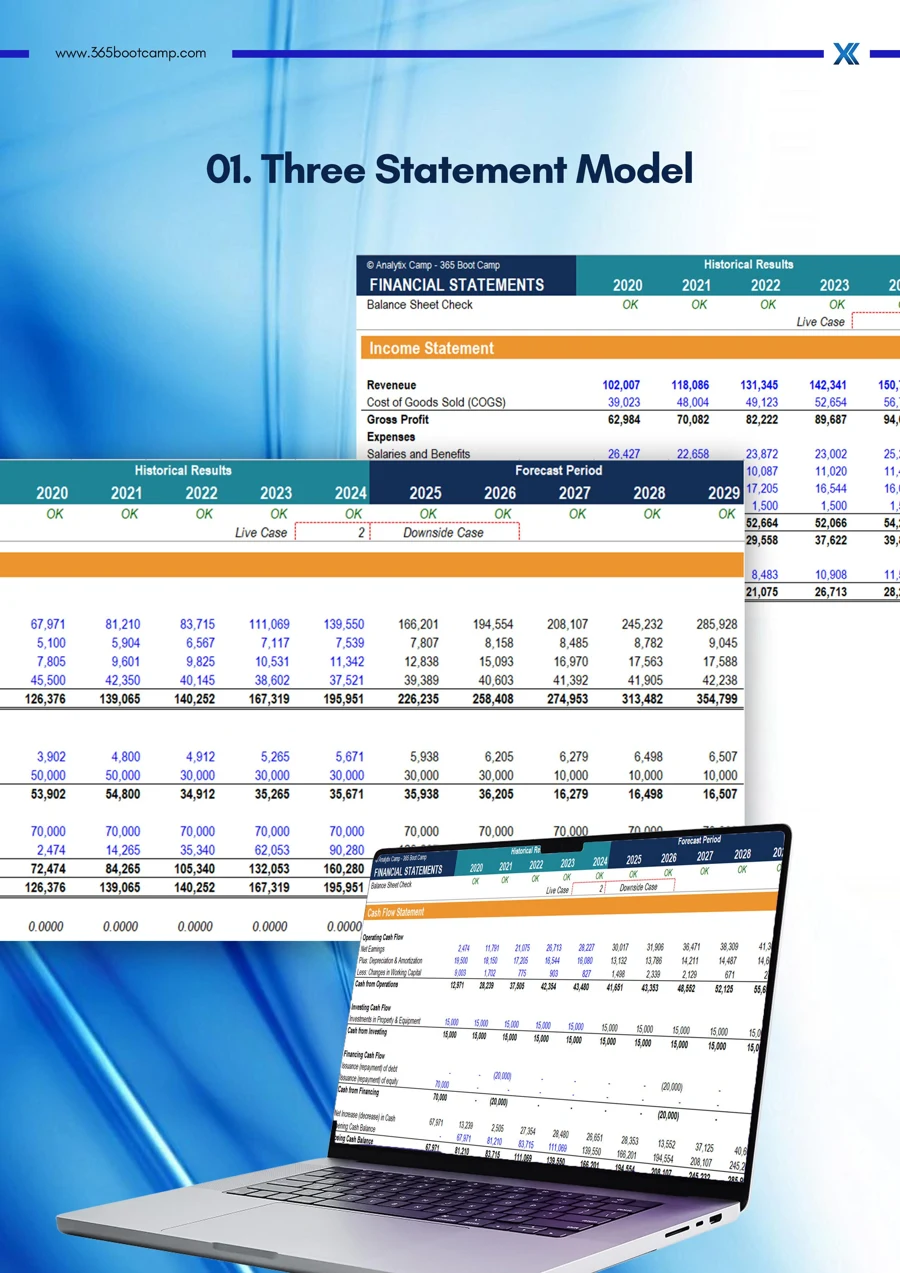
Three-statement financial model

Connect the income statement, balance sheet and cash flow statement. Forecast revenue, working capital, fixed assets and financing.
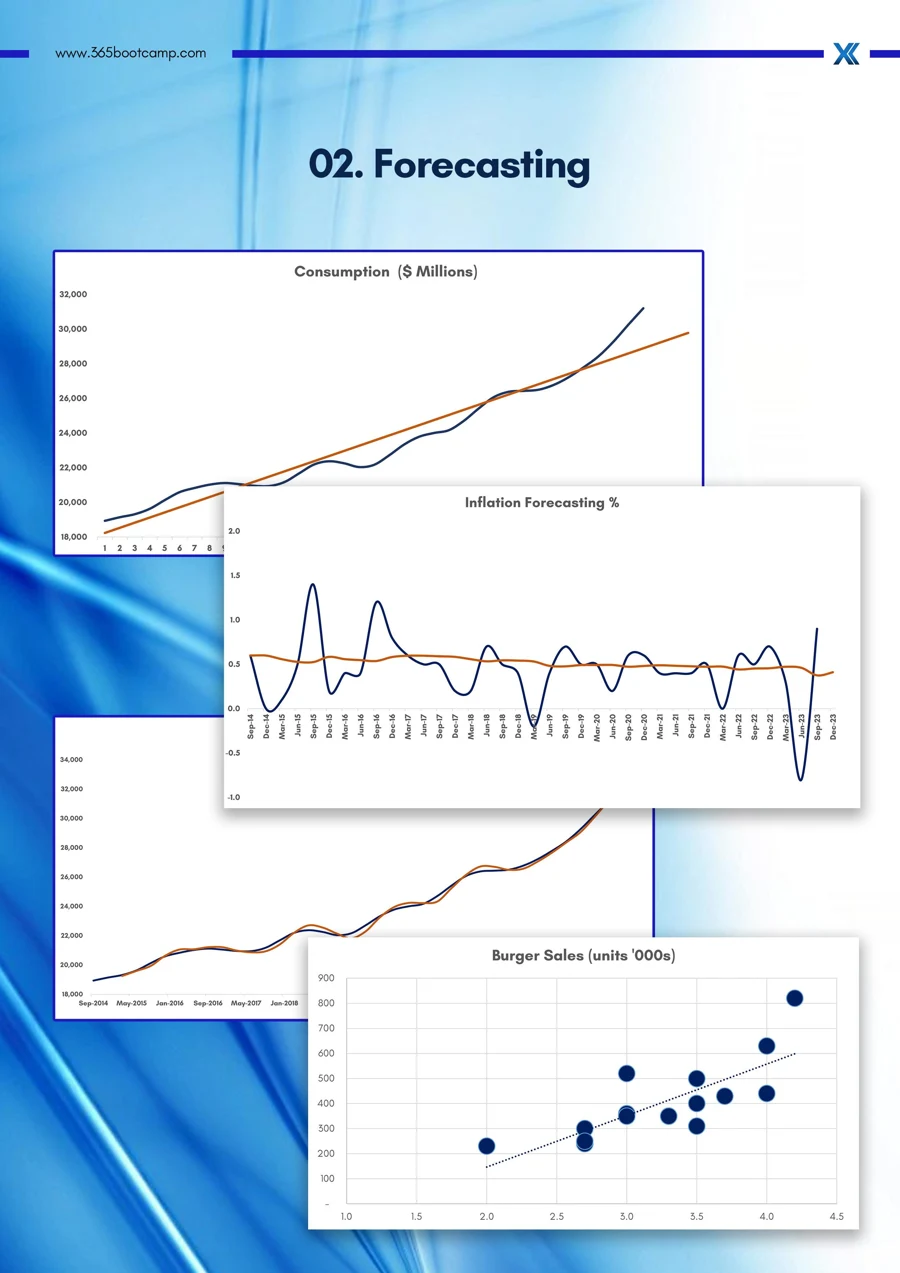
FP&A and cash flow forecasts

Build a monthly cash flow model for 365 Retail. Develop assumptions, test scenarios and turn the forecast into a management reporting tool.
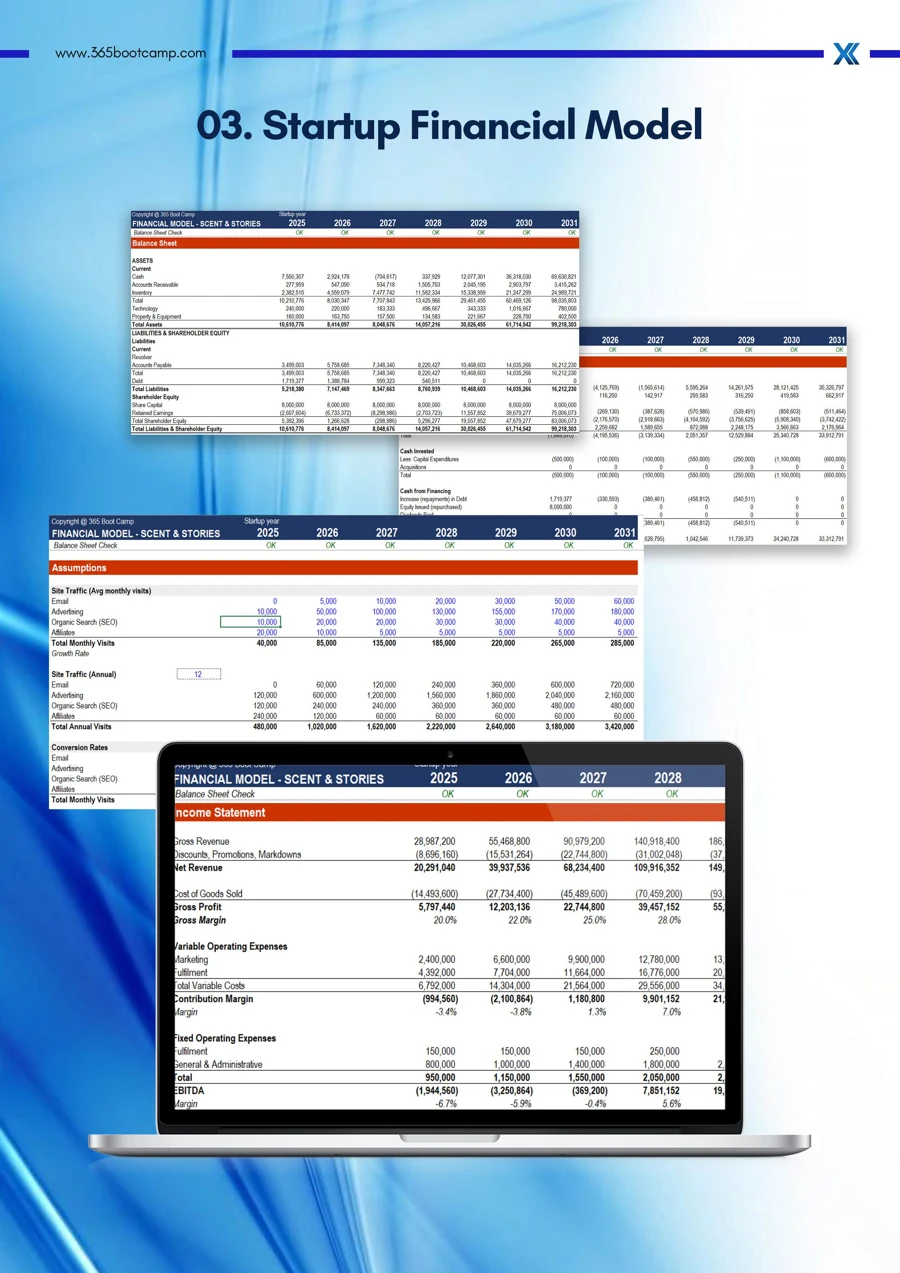
Scent & Stories startup model

Model an e-commerce business from revenue drivers and customer metrics to costs, tax schedules and financial statements.
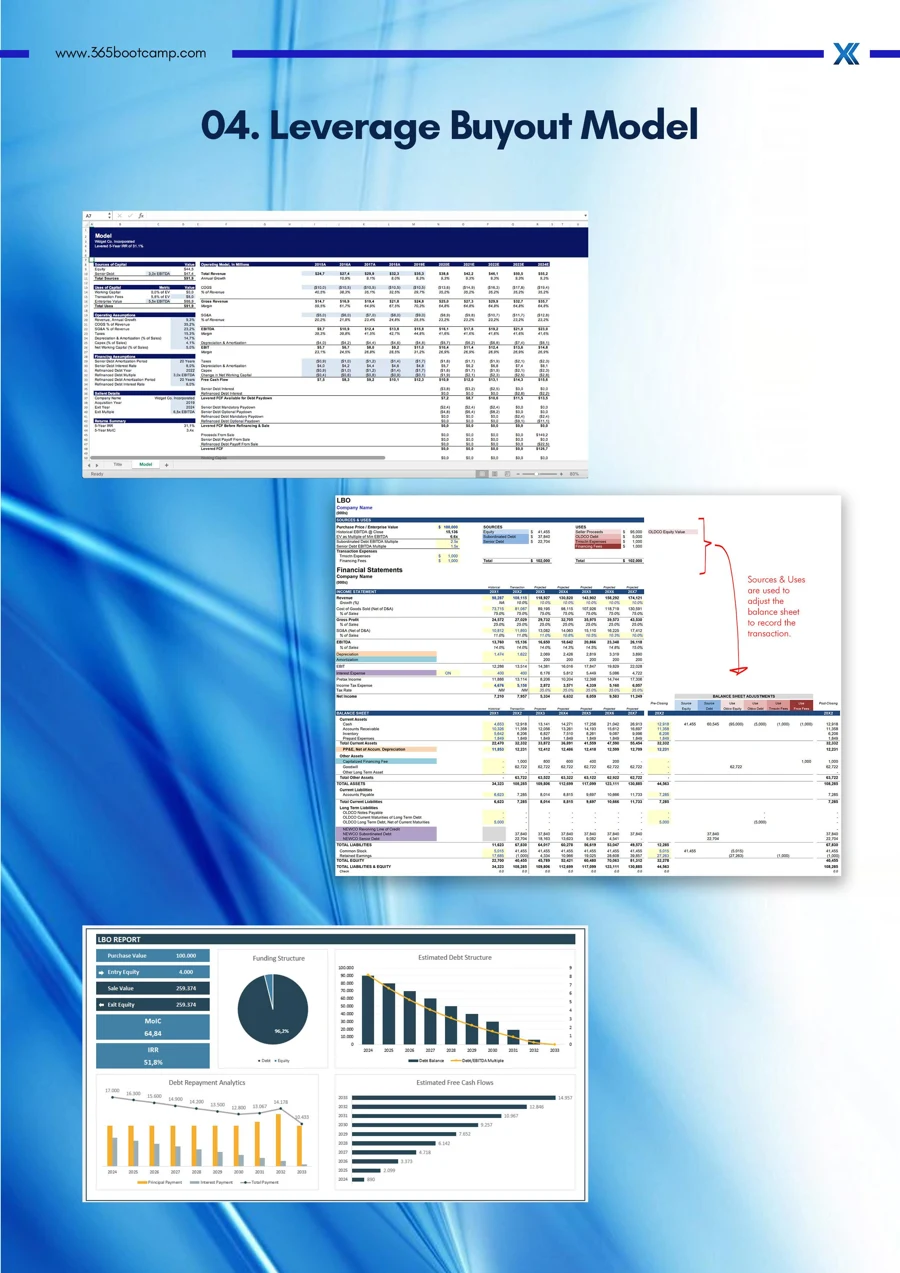
Leveraged buyout model

Structure sources and uses, model debt repayments and interest, and assess investor returns under different exit assumptions.
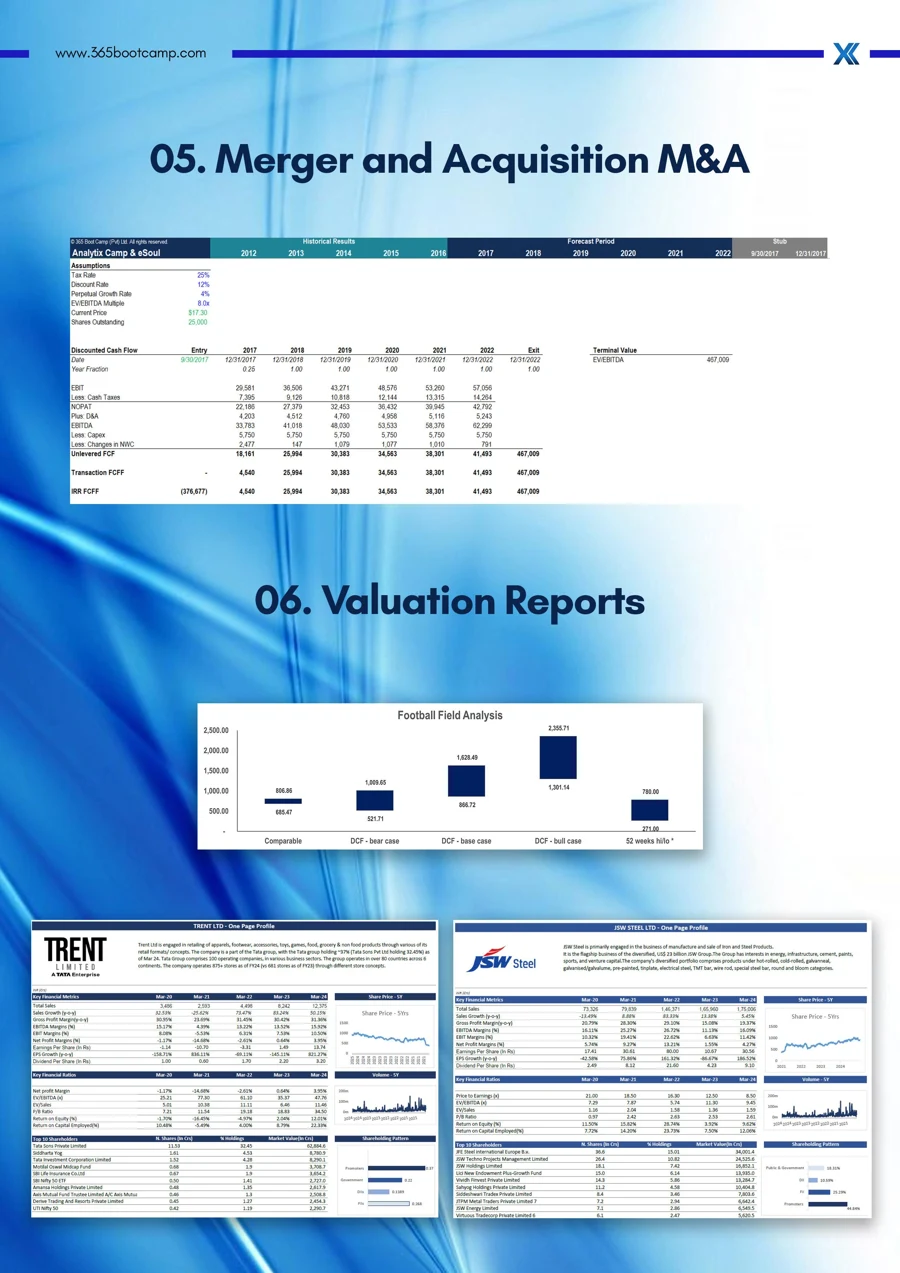
M&A and valuation reports

Combine acquirer and target financials, evaluate financing and synergies, and present the effect on earnings and company value.
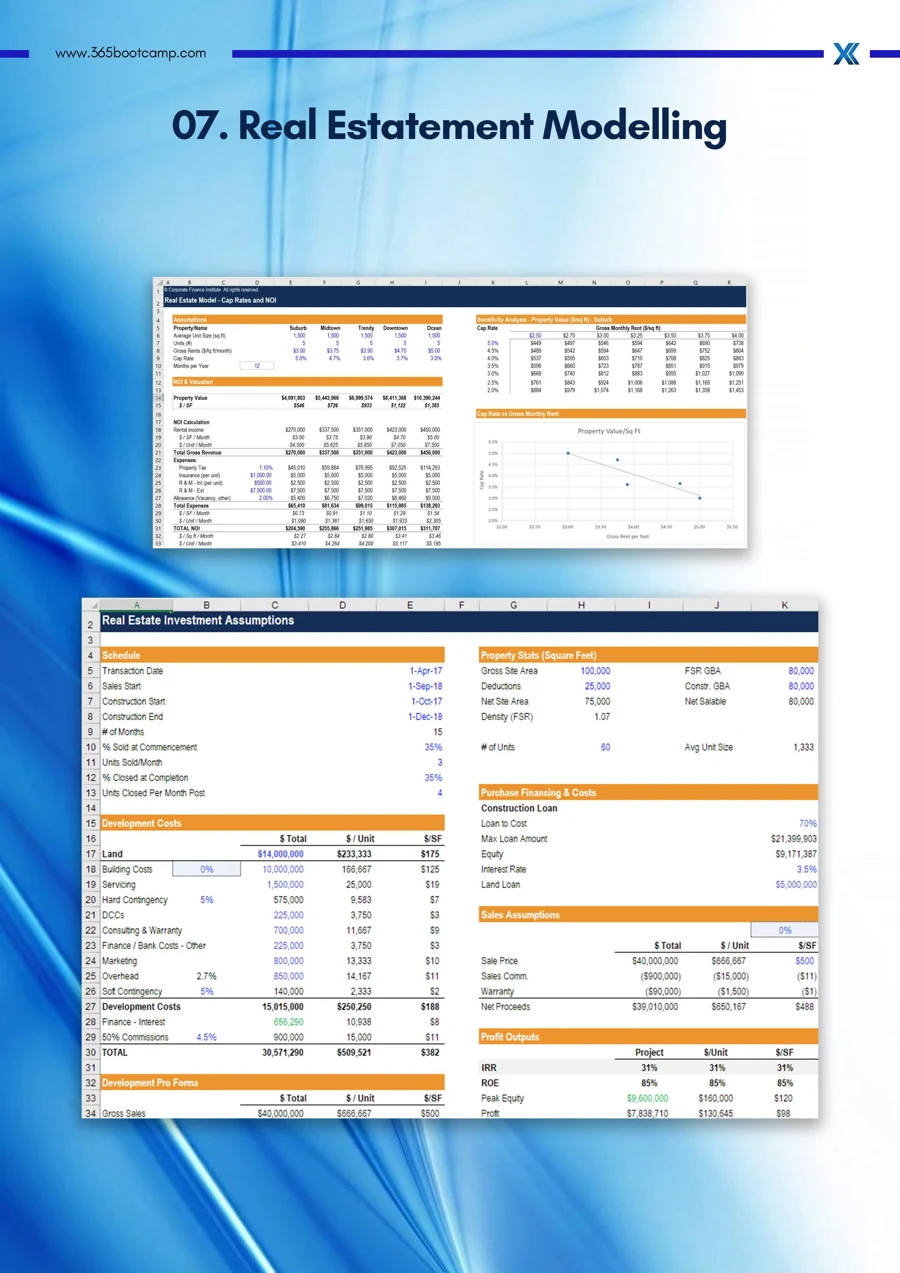
Real estate financial model

Map development cash flows, cap rates, financing, investor contributions and distribution waterfalls.

From Learning To Application

Skills That
Work Together.

Integrated Financial Models

Forecasts & Scenario Analysis

Valuation & Transaction Models

Pitch Books & Financial Reports

Freelancing scope

Turn your models
into client deliverables.

Build a portfolio around specific business problems. Here are services these skills can support.

Startup financial models

Help founders organize assumptions, forecast their business and prepare for investor conversations.

Revenue model · Financial statements · Funding scenarios

Budgeting & cash flow

Help businesses plan cash requirements and compare performance against their budgets.

Monthly forecast · Budget model · Variance report

Valuation & research

Support business analysis with structured models and transparent valuation assumptions.

DCF model · Comparable analysis · Valuation report

Reporting & automation

Create repeatable financial reporting workflows and presentation-ready outputs.

Excel dashboard · VBA automation · Pitch deck
Explore freelance marketplacesUpwork ↗Fiverr ↗Freelancer ↗

These are examples of services, not promises of work or income. Client requirements, experience and quality determine opportunities.

Our learning community

Professionals
we’ve trained.

Our participants come from organizations across finance, technology, manufacturing and services.

Dalda
Descon
Ghani Group
PTCL
TCL
Saudia Cargo
Bahria Town
Yousuf Adil
Al Jaber
24/7 Media
Diamond Textile
Habib Metropolitan Bank
SIUT
Motive
United Saudi Company
Faysal Funds
MG
Chase Securities
Munir Khanani Securities
Chase
Bank of Punjab
Maple Leaf Cement
Dexter
Blutech Consulting
Green Entertainment
The Citizens Foundation
Mobilink Bank
Pizza Hut
PIBT
Unilever

Organizations represented by our participants, as listed in the course brochure.

From Our Financial Modeling & Valuation Learners

Real Experiences.
Practical Progress.

Explore All Testimonials ↗
Afaf NizamFinancial Modeling & Valuation
The course was extensive and the instructor taught in a comprehensive way. Explaining all the concepts in a detail way.
View Profile ↗
Muhammad Arsalan HassanFinancial Modeling & Valuation
Attending Analytix Camp for financial modeling proved to be an exceptionally insightful experience. The practical skills and knowledge acquired here will undoubtedly be instrumental in advancing my professional life. This program has certainly been an excellent investment.
View Profile ↗
Muhammad Khizar BaigFinancial Modeling & Valuation
Sir Abbas was highly knowledgeable and demonstrated a strong understanding of corporate finance and investment analysis. The course provided a strong foundation in building financial models from scratch, understanding company valuations, and applying real-world analytical techniques used in investment banking and corporate finance. I got little bit problem about the course is to find files from WhatsApp group rather than from LMS. Cause the file was not uploaded on LMS. I hope management look after this matter.
View Profile ↗
Zaeema NudratFinancial Modeling & Valuation
The course and instructor were great I learned a lot from this course and wish to learn more hope I'll find internship with them
View Profile ↗
Talha KhalidFinancial Modeling & Valuation
I recently completed the Financial Modelling and Valuation Analyst course from Analytix Camp and found it to be a comprehensive and insightful program. The course's well-structured curriculum and expert instruction from Sir Abbas, who demonstrated exceptional knowledge and enthusiasm, significantly enhanced my understanding of financial modelling and valuation principles. The skills and knowledge gained from this course will undoubtedly support my future professional endeavors, and I highly recommend it to individuals seeking to develop expertise in finance."
Salman RiazFinancial Modeling & Valuation
The course we are doing a Financial Modeling course, and overall, it was a valuable learning experience. The course structure was well-organized, covering essential topics such as income statement projections, balance sheet modeling. The materials were thorough and provided a solid foundation for anyone looking to enter investment banking, corporate finance, or equity research. The instructor demonstrated a strong command of the subject matter and explained complex financial concepts in a clear and digestible way. They were professional, responsive to questions, and regularly provided real-world examples to reinforce learning. One of the strengths of the instructor was their practical industry insight, which helped bridge the gap between theory and application.
View Profile ↗
Mesum AbbasFinancial Modeling & Valuation
Sir Muhammad Abbas was really humble he asked everytime if someone didn't understand anything can ask again so his nature was very good i enjoyed the whole session
View Profile ↗
Muhammad Irfan KhalidFinancial Modeling & Valuation
This is by far the most comprehensive and most valuable FMVA course in the country right now as I have learned the practical aspects of financial modeling and one of the most valuable aspect of this course is its valuation part which provides and teaches the real world techniques used by the analysts. I will highly recommend this for anyone who wants to build career in FMVA. I would like to take the opportunity to thanks Sir Abbas for his expertise in FMVA and his way of explaining which made the complex topics easy to understand.
View Profile ↗
Sahar AkbarFinancial Modeling & Valuation
He is a great Instructor. I learned a lot from him in the course. His live zoom sessions and recordings are valuable. Although I started this course hesitantly, but the continued support of Instructor and Analytix camp during the course was incredible.
View Profile ↗
Tamjeed ShahzadFinancial Modeling & Valuation
Both are superb. Sir Abbas is excellent instructor.
View Profile ↗
Junaid AhmedFinancial Modeling & Valuation
The instructor is very professional and develops the concept from scratch, which helps to understand the purpose and also provides the insights that will definitely help in the future.
View Profile ↗

Plan Your Learning

Course Fees &
Enrollment.

The complete course fee is PKR 100,000. Contact admissions to discuss installment options.

A Little More Clarity

Your Questions.
Answered.

What Will I Learn?

Excel, financial statement analysis, forecasting, connected financial models, valuation, M&A, LBO and real estate modeling, plus reports and pitch books.

Does The Course Include Excel Foundations?

Yes. The outline starts with Excel foundations and develops into advanced financial modeling and automation.

Which Tools Will I Use?

Microsoft Excel, including Power Query, VBA and Solver, plus Microsoft PowerPoint for reports and presentations.

Who Will Teach Me?

Muhammad Abbas, Senior Data Specialist at Revolut Inc. UK and founder of Analytix Camp.

How Can I Join?

Contact admissions to discuss the course, fees and enrollment options.

Your Next Step Starts Here

Register Your Interest.
Let’s Plan Your Next Step.

Interested in Financial Modeling & Valuation? Share your details and learning goals. Our admissions team will guide you through the course and enrollment options.

After your registration is saved, we’ll open WhatsApp so you can speak with admissions. No payment is collected through this form.

COURSE REGISTRATIONStep 1 of 2

Personal Details

Tell us who you are and where we can reach you.

Numbers from any country are welcome. Use the number where you receive WhatsApp messages; +92 is not required.

Your details are used to respond to your registration. No eligibility screening or payment is required to submit.

Location lists: Countries States Cities Database · ODbL
Register in the Course